



A leaking roof is something Perth homeowners should never ignore. What starts as a small water stain on the ceiling can develop into damaged insulation, mould, deteriorated building materials and expensive repairs if water continues entering the property.
But why do roofs leak?
The cause isn’t always obvious. A leak may come from a damaged roof tile, worn flashing, blocked gutters, deteriorated roof components or storm damage. In some cases, water can travel from one part of the roof before appearing inside the home, making the original source difficult to find.
Here are nine common causes of roof leaks and what Perth homeowners should look out for.
1. Cracked or Broken Roof Tiles
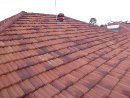
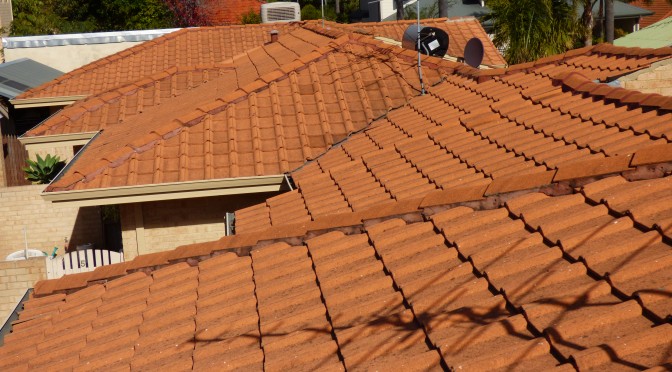
Roof tiles are exposed to Perth’s weather throughout the year. Strong winds, falling branches, hail and general ageing can cause tiles to crack, break or move out of position.
Even a small damaged section can allow rainwater underneath the roof covering.
If you notice cracked, missing or displaced tiles, it’s worth arranging a professional roof inspection rather than waiting for the next heavy downpour.
2. Damaged or Deteriorated Ridge Capping
Ridge capping protects the highest points of a tiled roof. Over time, the bedding and pointing around ridge caps can deteriorate.
Gaps or cracks may allow water to enter during heavy rain, particularly when wind drives rain across the roof.
Replacing or repairing damaged ridge capping can help restore the roof’s weather protection.
3. Worn or Damaged Roof Flashing
Flashing is installed around areas where different roof surfaces or structures meet, including chimneys, valleys and other roof penetrations.
When flashing becomes damaged, loose or deteriorated, water can find its way underneath the surrounding roofing materials.
Because flashing problems aren’t always visible from inside the home, professional leak detection can help identify where water is entering.
4. Blocked Gutters and Downpipes
Your roof drainage system needs to move rainwater away from the roof efficiently.
Leaves, dirt and other debris can restrict gutters and downpipes. When water cannot drain properly, it may overflow and reach areas that aren’t designed to handle continuous moisture.
Regular gutter maintenance can therefore play an important role in preventing water-related roof problems.
5. Storm and Wind Damage
Severe weather can cause sudden roof damage.
Strong winds may move tiles, while falling branches or hail can damage roofing materials. Heavy rainfall can then expose these weaknesses and result in water entering the property.
After a significant storm, check for obvious signs such as missing tiles, damaged gutters or visible debris. Avoid climbing onto the roof yourself, particularly when surfaces are wet.
6. Ageing Roof Materials
No roof remains in perfect condition forever.
Roofing materials, sealants, flashing, pointing and other components can gradually deteriorate through exposure to weather.
An older roof may therefore develop several smaller problems at once. Regular inspections can help identify deterioration before it develops into a major leak.
7. Damaged Roof Sheeting or Insulation
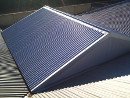
For properties with metal roofing or other sheet-based roofing systems, damaged or deteriorated sections can allow moisture into the roof space.
Water entering through damaged areas can affect insulation and other materials beneath the roof.
The visible water stain inside your home may therefore be some distance from the actual point where the water entered.
8. Poorly Sealed Roof Penetrations
Roofs contain various penetrations for vents, pipes, skylights and other fixtures.
If the surrounding seals deteriorate or the installation becomes damaged, water can enter around these points.
These leaks can sometimes be difficult to identify because water may travel along roofing materials before becoming visible inside the property.
9. Neglected Minor Roof Damage
One of the biggest problems with roof leaks is allowing a small issue to remain unresolved.
A slightly damaged tile or small gap may not appear serious during dry weather. Once heavy rain arrives, however, that small weakness can become an active leak.
Addressing minor damage early can help reduce the possibility of more extensive water damage
What Are the Warning Signs of a Roof Leak?
You don’t always see water dripping from the ceiling when a roof has a problem.
Look out for:
- Brown or yellow ceiling stains
- Damp patches on walls or ceilings
- Peeling paint
- Musty smells
- Damp insulation
- Dripping water during rain
- Mould or mildew
- Visible roof damage
- Water pooling in the roof space
If these signs appear, don’t assume the problem will disappear when the weather clears. The source of the moisture should be investigated.
Why Is Professional Roof Leak Detection Important?
Finding the source of a roof leak can be more complicated than finding the water stain.
Water can travel underneath roofing materials, insulation and other parts of the roof structure before becoming visible inside the property. This means repairing the location where you see water may not solve the original problem.
Professional roof leak detection in Perth can help identify the source so the appropriate repair can be carried out.
Cain Roofing’s roof leak service includes leak detection, waterproofing, tile replacement, sheeting and insulation repair, gutter and downpipe repairs, and replacement of damaged or ageing roof components.
What Should You Do If Your Roof Starts Leaking?
If you notice water entering your home during rain, take action as soon as possible.
First, protect the affected area
Move furniture and belongings away from the water and use suitable containers to catch dripping water.
Avoid climbing onto the roof
A wet roof can be extremely dangerous. Attempting to locate a leak yourself can also result in accidental damage to roofing materials.
Arrange a professional inspection
A qualified roofer can assess the roof and investigate the likely source of the leak.
For urgent situations, the service page states that Cain Roofing provides 24/7 emergency roof leak repairs and can install a temporary tarpaulin when necessary to help prevent further water entering the affected area.
Don’t Ignore a Leaking Roof
A roof leak rarely improves simply because the rain stops. The underlying problem can remain and become worse during the next storm.
Whether the cause is a broken tile, damaged flashing, blocked drainage, deteriorated materials or storm damage, identifying the problem early gives you a better opportunity to address it before more of the property is affected.
If you suspect a leak, consider professional roof leak repairs in Perth to identify the cause and determine the appropriate repair.
Need urgent help? Cain Roofing lists 24/7 emergency roof leak repair and serves Perth-wide.