



Ridge capping plays an important role in protecting a tiled roof from rain, wind and moisture. It covers the point where two roof sections meet, helping prevent water from entering gaps along the roofline. Over time, however, heat, changing weather and natural wear can cause the mortar or pointing around ridge caps to crack or deteriorate.
For most Perth homeowners, it is sensible to arrange a ridge capping inspection at least twice a year and after significant storms. Regular checks can help identify early signs of damage before they develop into roof leaks or more extensive repairs.
Why Does Ridge Capping Need Regular Checks?
Ridge caps are exposed to the elements throughout the year. Perth’s hot summers can contribute to the gradual deterioration of traditional mortar, while winter rain and strong winds can reveal existing weaknesses.
When the bedding or pointing becomes damaged, water may find its way beneath the ridge caps and into the roof space. Loose or cracked caps can also become more vulnerable during windy weather.
Regular inspections help homeowners identify problems early, maintain the roof’s weather resistance and plan repairs before the damage becomes more serious.
How Often Should You Inspect Ridge Capping?
A practical inspection schedule can help keep your roof in good condition.
- Twice a year: Arrange checks around the change of seasons, particularly before the wetter months and after winter.
- After significant storms: Strong winds, heavy rain or falling branches can damage roof tiles and ridge capping. Arrange a professional inspection if you suspect damage.
- When buying or renovating a property: Include ridge capping in a broader roof assessment to identify existing wear or repair needs.
- When warning signs appear: Do not wait for the next scheduled inspection if you notice possible roof damage or signs of a leak.
The ideal frequency depends on the roof’s age, materials, previous repairs and exposure to weather. Older roofs or those with a history of leaks may need more frequent attention.
What Are the Signs That Ridge Capping Needs Repair?
You do not need to climb onto your roof to look for possible warning signs. From a safe position on the ground, check for:
- Cracked, missing or crumbling mortar along the roof ridge.
- Ridge caps that appear uneven, displaced or loose.
- Pieces of mortar or roof material in gutters or around the property.
- Water stains on ceilings or walls after rain.
- Dampness in the roof space or signs of recurring leaks.
- Visible cracks or gaps where the ridge caps meet the roof tiles.
Some damage may not be visible from the ground, so a professional inspection is important if you suspect a problem.
Can Damaged Ridge Capping Cause Roof Leaks?
Yes. Cracks and gaps around ridge capping can allow rainwater to enter areas that should remain protected. Moisture may affect roof timbers, insulation and internal ceilings if the problem continues.
Water stains do not always mean the ridge capping is responsible, as damaged tiles, flashing or other roof components can also cause leaks. A roofer can inspect the affected areas, identify the likely source and recommend the appropriate repair.
Addressing damage early may help prevent a minor maintenance issue from becoming a more expensive repair.
Should Ridge Capping Be Repointed or Replaced?
The right solution depends on the condition of the existing ridge caps and the material holding them in place. If the caps remain sound but the mortar or pointing has deteriorated, repairs or repointing may be sufficient.
If the bedding has failed across a larger section, or individual caps are cracked or broken, more extensive work may be needed. A roofing professional can assess whether targeted repairs, rebedding or replacement is the most suitable option.
Using appropriate materials and ensuring the caps are correctly secured helps maintain the roof’s protection against weather.
When Should You Call a Roofing Professional?
Arrange a professional assessment if you notice cracked mortar, loose-looking ridge caps, debris from the roof or signs of water entering your home. It is also worth booking an inspection if your roof has not been checked for some time or has recently experienced severe weather.
Avoid walking on the roof or attempting repairs yourself. Roof surfaces can be steep and slippery, and loose ridge caps may create additional hazards.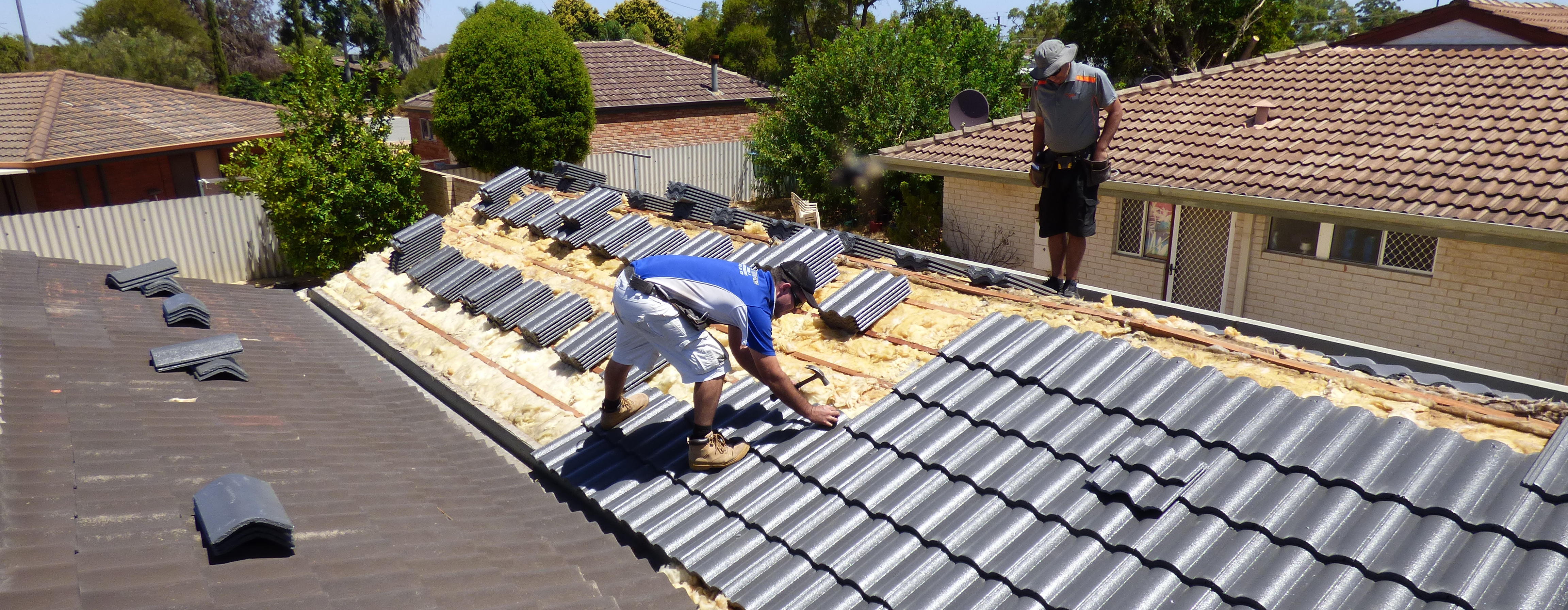
For homeowners needing ridge capping repairs in Perth, a qualified roofer can check the condition of the ridge line and explain what work is required. Cain Roofing provides ridge capping repairs and installation across Perth, helping homeowners address gaps, worn mortar and damaged roof components.
Final Thoughts
Checking ridge capping twice a year and arranging an additional inspection after significant storms is a practical way to stay on top of roof maintenance. Look for visible warning signs from the ground and act promptly if you notice potential damage or leaks.
Regular professional checks can help identify deterioration early, protect your home from water entry and keep your tiled roof in better condition over time.